

DVZ Special Supplement Logistics, October 20, 2020 | Article by the Rieck Logistics Group
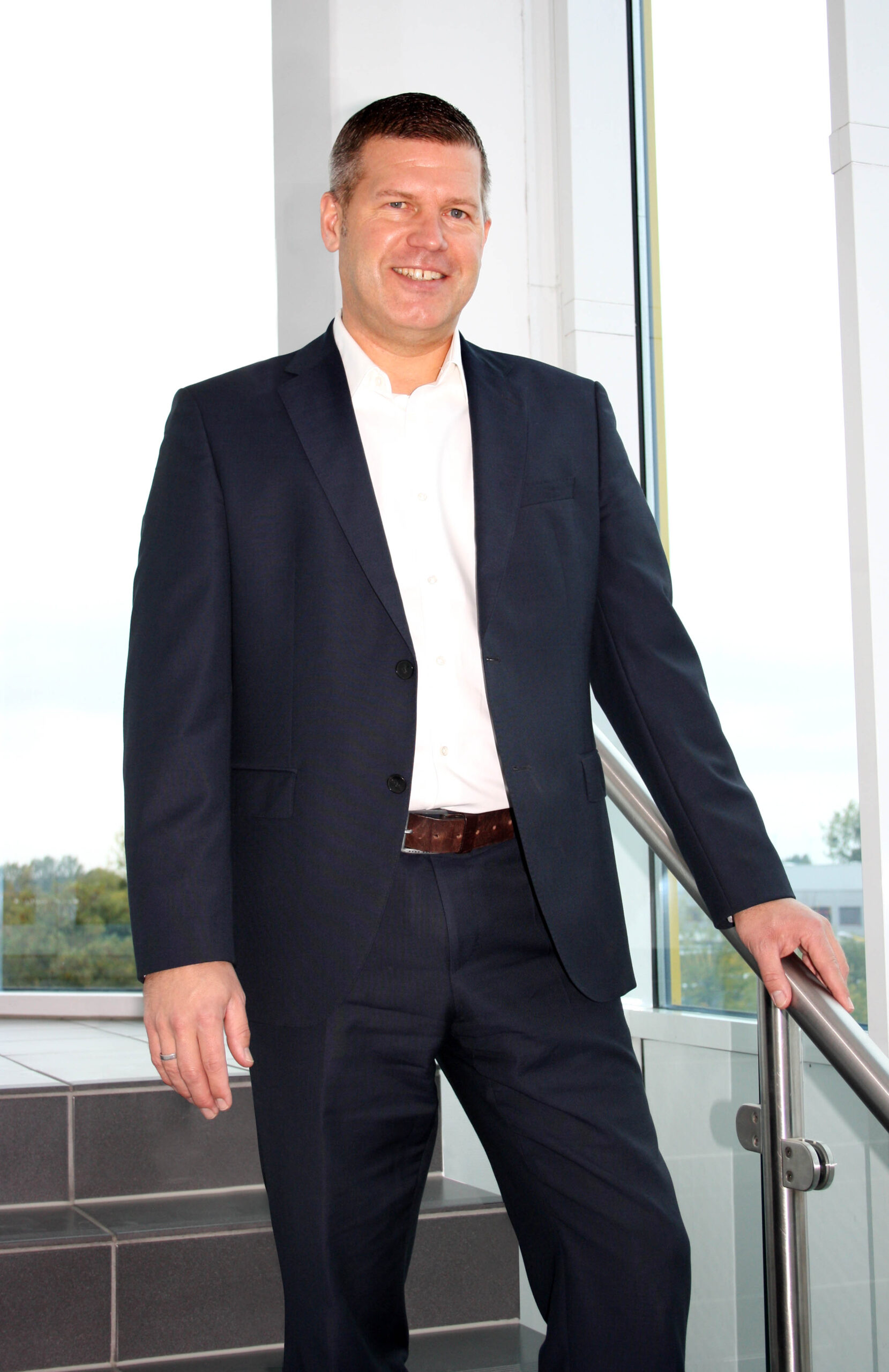
The Rieck Logistics Group has been active in China for decades, initially as part of a joint venture and since 2016 with its own company in Shanghai. “We were virtually up close and personal with the outbreak of the coronavirus pandemic,” says Philipp Strenge, Managing Partner of the Rieck Logistics Group. “That’s why we were aware of the serious consequences early on and were able to react quickly as a company.” The focus was on protecting employees.
“When the Chinese government quarantined Wuhan, we knew how serious the situation was,” recalls Strenge. “We could also foresee the economic consequences, as Wuhan is considered an important economic metropolitan region worldwide.”
Corona task force formed
Many German companies in China, including Rieck, responded with concrete emergency plans back in January. “At our site in Shanghai, working from home and consistent distancing and hygiene rules were enough to get the situation under control,” reports Strenge. The experience gained there helped the entire Rieck Logistics Group to quickly implement suitable measures at its sites in Germany and the Czech Republic. “We have learned from China. As early as February, we had a coronavirus task force meeting several times a week.” The aim was to provide all employees with the best possible information about the virus and to develop protective measures that could then be implemented very quickly.
Protect employees from infection
Rieck employees who are not directly involved in operations alternated between working from home and the office in small, fixed teams. The locations decided for themselves how to proceed based on their local and personnel circumstances. Business trips, meetings and events were largely replaced by online communication.
Rieck quickly developed the right protective measures even where working from home is not possible from an organizational point of view: Disinfection facilities in warehouses and offices were expanded, masks were provided, barriers, protective walls and signs were installed to ensure that social distancing rules were observed. “We focused on communication and teamwork right from the start,” says Strenge. “And it was great to see how flexibly and reliably all employees dealt with these difficult conditions.”
Rieck reduced the risk of infection with all the measures developed on the basis of the “Company pandemic planning” manual from the Federal Office of Civil Protection and Disaster Assistance. And with success: so far, not a single coronavirus infection has been reported among the 700 Rieck employees (as at the beginning of October, editor’s note). At the same time, every location remains operational. “We are confident that the overall situation will quickly return to normal once a vaccine is released,” says Strenge.
Ups and downs in shipment volumes
The outbreak of the virus changed shipment volumes and storage requirements from one day to the next. The restricted movement of goods between China and Germany, for example, significantly reduced import shipments in the air and sea freight sector.
However, the volume soon returned to normal levels due to the rapid onset of imports of masks, disinfectants and protective clothing. Items for retail sale were not called off from the warehouses. However, as new goods were still arriving at the ports, Rieck had to rent additional storage space.
In other areas, however, demand rose: online orders increased many times over. The forwarding company also felt the effects. Instead of finished or raw goods for industry, Rieck now transported climbing frames, trampolines or outdoor furniture to private customers using the new notification options for requested delivery dates. “We have been working for B2B and B2C customers for a long time,” explains Strenge. “We were therefore able to adapt quickly to the changed requirements.”
Investment in data center
Overall, Rieck says it has made good use of the period of coronavirus-related order fluctuations. In recent months, the company has invested over EUR 1 million in its data center, analyzed and optimized internal processes and introduced a document management system. The Potsdam Chamber of Industry and Commerce (IHK) recognized Rieck’s headquarters in Großbeeren as one of six top training companies for its special commitment to creating attractive training positions.
For Philipp Strenge, the coronavirus crisis has revealed important lessons: “We are globally networked – problems are increasingly affecting everyone. To solve them, cohesion and mutual trust are crucial.”
And he emphasizes another point: “The systemic relevance of the logistics industry has become more than clear to everyone in recent months. Like the entire industry, we therefore hope that the transport sector will emerge stronger from the coronavirus crisis.”